Under the Ontario Fire Code, every home must be equipped with working smoke alarms on every storey, and outside of sleeping areas. For specific requirements for your home, please refer to the Ontario Fire Code or reach out to Tiny Fire if you have questions.


The Township of Tiny's Fire and Emergency Services Department is committed to rigorous public education on fire and emergency safety and prevention.
Education and awareness initiatives include a variety of topics such as emergency preparedness, home fire escape plans, home fire safety audits, cooking and BBQ safety tips, smoke and carbon monoxide alarms, heating equipment and fireplace safety, lithium-ion battery safety, and more.
Smoke Alarms
Carbon Monoxide (CO) Alarms
As of January 1, 2026, the Ontario Fire Code is mandating all residential occupancies (homes, apartments, etc.) that have a fuel burning appliance, fireplace, or attached garage, must have:
- a carbon monoxide alarm adjacent to each sleeping area, and
- a carbon monoxide alarm on each storey without a sleeping area (on every floor).
Press Release: Tiny Fire launches carbon monoxide awareness education campaign
For specific requirements for your home, please refer to the Ontario Fire Code or reach out to Tiny Fire if you have questions.
Additional Smoke and Carbon Monoxide Alarm Safety Information
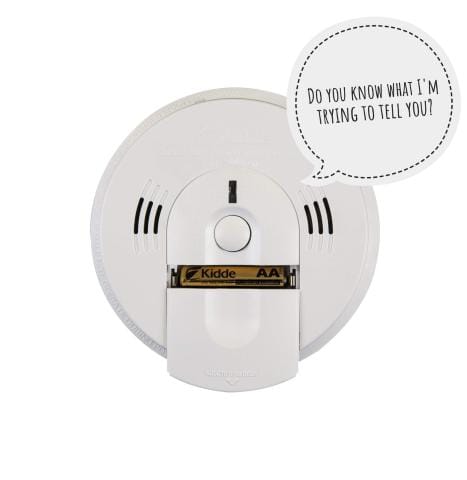
Fire Safety Kids Zone
Image
Providing education to our youth is an important piece of fire safety. Our department does outreach in schools to ensure we are reaching children and teaching them to be fire safe. You can help by teaching your kids about fire safety, practice your home fire escape plan, and continue learning with them.
Fire Safety Information at Home
There are a variety of ways to stay fire safe in our homes. From cooking and barbecuing, to fuel burning appliance maintenance, Tiny Fire has a variety of resources to keep you and your family safe.
No Hot Pets
Tiny Fire reminds everyone to plan ahead and never leave your pet unattended in a vehicle in the summer. They have a limited ability to sweat and cannot handle hot temperatures.
Parked cars can quickly reach deadly temperatures, even on relatively mild days. If you can’t take your animal with you when you leave your car, leave them at home where they are safe. This helps to limit unnecessary emergency calls.
Plan ahead! If you are travelling with your pet, only make stops at pet-friendly stores, opt for drive-thru meals, and do your errands before or after taking Fido with you.